Report a maintenance issue

Getting on the property ladder for the first time or buying a new place is exciting, but the number of different surveys and reports that need carrying out can feel overwhelming. That’s why we’re going to cover the difference between a Mortgage Valuation and a Homebuyer Report in this blog post.
Surveys, reports, and more surveys
There are so many different types of surveys available to you when you’re looking to buy a property. Whether it’s your dream home or an investment property, there are certain key steps and other optional ones that should be done as part of the process.
From valuation surveys to condition reports, it can be quite confusing to know which survey is best suited for your situation. Don’t worry though, we’ll be breaking these down in this blog series. For the first in this series, we’ll be covering the difference between a Mortgage Valuation and a Homebuyer Report.
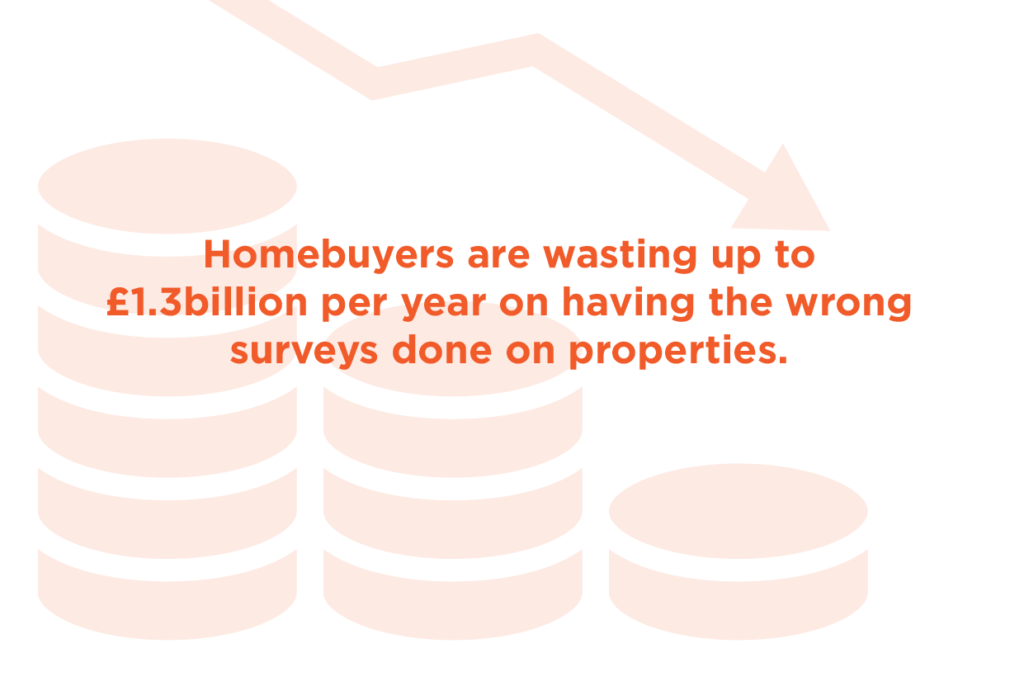
It gets slightly more complicated when you learn that some of these reports overlap and cover similar things. This means that you might end up having two reports or surveys done which actually covered a couple of the same things – this isn’t ideal. With that in mind, it’s easy to see why according to Love Money, homebuyers are wasting up to £1.3billion per year simply by having the wrong surveys completed on their properties. This is avoidable when you know what each survey is for and which ones you do and don’t need.
If you’re interested in learning more about how to select the right surveys for your situation, we have a handy guide that will hopefully shed some light on this for you.
In a hurry? This is a quick summary
A Mortgage Valuation is an essential step if you want to take out a mortgage. It’s basically just an initial check of a property’s value and is for the lender’s benefit so they know how much money they need to lend you. The purpose of this is to make sure that the amount of money a potential buyer is being lent can be secured against the value of the property. This is important as it helps to protect the lender’s investment.
A Homebuyer Report is an optional step in the property buying process and is for the buyer’s benefit as it’s completed to find and document any problems in a property that could cause damage and may need future repairs. Think of it this way; the last thing you would want once you’ve purchased a property is to find major issues like a damp problem or any structural concerns that might cost you money down the line.

What exactly is a Mortgage Valuation?
First things first, you might have heard the term ‘Lenders Valuation’ being used in the home buying process, but it means exactly the same thing as a Mortgage Valuation. Lesson one of Property Buying 101 is to make sure that you know your terms. This is easier when you have a team like ours by your side supporting you through the process!
As part of the mortgage application process, your lender will want to arrange Mortgage Valuation (also known as a ‘Valuation Survey’) which is basically carried out to make sure that the property you want to purchase is worth what you’re expecting to pay for it. Picture it this way, the last thing you would want is to borrow the wrong amount of money when you want to purchase your dream home!
When it comes to remortgaging a property, a valuation will happen with every mortgage taken out on a property. A mortgage lender may want to arrange a valuation to make sure that the property is worth what you’ve said that it is on your application. Accuracy and consistency are important when it comes to mortgages and money so this step is vital to make sure that everything is correct before any documents are signed.
What is the purpose of a Mortgage Valuation?
A Mortgage Valuation is commissioned by the mortgage lender and allows them to assess the value of the property. It allows a lender to validate a mortgage and it is carried out to assess the lender’s risk of lending the money. Even though it may be of no use to you, and you might not even get a copy, you may potentially need to pay for this to get your mortgage approved and move forward in the process.
Carrying out a Mortgage Valuation, allows the lender to be confident that someone looking to purchase a property is borrowing the correct amount and that the money borrowed can be secured against the value of their home. This is important as it protects the lender’s financial investment. Whether you’re buying a barn in the countryside or a city-center flat, if you want to get a mortgage, your lender will need to complete this step.
It’s important to note that a Mortgage Valuation is a step that benefits the lender rather than the buyer. This is because the scope of the valuation is quite limited and only really provides information that your bank will understand. However, looking on the bright side, a Mortgage Valuation can potentially also provide you (the buyer) a good indication of whether you’re at risk of paying the right amount for a given property.
When we’re talking about a lender, we’re talking about a bank, or an independent financial institution. They will lend a buyer money to purchase a property alongside their deposit and it’s common to secure the loan against the asset which is purchased (in this case property).
What this means is that the lender has a right to the property until you pay off your loan. This acts as an added layer of security for them and is an added incentive for you to pay off your mortgage. If for any reason you stop making payments towards your mortgage and the lender can’t recover the money you owe, they will repossess the property. This may sound scary but you will have plenty of warning before this happens and your lender will try to work with you to get your payments back on track.
If the worst happens, and the property is repossessed, the lender will need to be sure that they can sell the property for enough money to recover their financial losses. It’s for this reason that they will need to value the property to make sure that it is worth more than they are lending to you.
Who conducts the Mortgage Valuation?
The lender commissions a qualified surveyor to arrange a Mortgage Valuation on their behalf.
The surveyor will typically visit the property and follow very specific instructions given to them by the lender. This is because the lender does not visit the property themselves and needs someone qualified to carry out the valuation for them. The lender will provide their requirements and criteria, and the surveyor will check that the property meets them all.
What does a Mortgage Valuation include?
There are a number of different ways that lenders carry out property valuations. In most cases, as described above, a surveyor would usually have visited your property to compile a short report. However, surveyors are now opting to value properties using recent sales data online.
The type of survey you receive is based on how the lender feels about the risk attached to the property and the kind of property that it is; for example newly built or in need of work.
Generally, a physical visit to the property will happen if the lender is unable to find enough information about the property with an online search. As more lenders are able to offer free valuations, the chances are that you won’t need to expect a surveyor visit as the information they need can be sourced online. However, whatever way the valuation is carried out, the surveyor’s opinion on the true value of the property will allow the lender to make their final decision on the size of the loan they are willing to provide you with.
If the lender doesn’t think the loan would involve a great deal of risk, for instance, if they are familiar with the area or the type of property you are looking into, they may decide to go for two different types of valuations or a mix of the two.
- A desk-based valuation means that the surveyor takes a look at the local house price data that they have access to and an algorithm is used to provide a valuation. It makes the whole process quick and easy.
- A drive-by valuation does exactly what it says on the tin. A surveyor will make their way over to the property and take a look at the outside, to get a feel for its condition.
After visiting the property, the surveyor will make an assessment of what the market value of the property is. This decision is made based on a number of factors including looking at three sales transactions of similar types of properties in the local area and also knowledge of the local market, including supply and demand. For example, if there are more people looking to purchase in an area than there are properties available, this will affect the end result of the assessment.
The end result of all of this analysis? Normally the final report is around a couple of pages long and will contain all the main details about the property from a top-level perspective along with evidence to support the final judgment.
Who pays for a Mortgage Valuation?
In short, the buyer pays for it. Sometimes the valuation is listed as a separate fee on your mortgage package, and sometimes mortgages offer free valuations. Regardless, it’s important to look at the entire mortgage application process to see whether the valuation is covered or not. Don’t let yourself be caught out by those pesky T&Cs.
In terms of how much a Mortgage Valuation can cost, it tends to be between £150 and £1,500 depending on the price of the property – according to the Money Advice Service. It’s important to note though that some lenders will try to incentivise new customers to borrow from them by offering the Mortgage Valuation for free.
Here’s a little advice from us; a deal with a lower interest rate can possibly save you more money over time. This is the case even if you do have to pay a bit more than you were anticipating for the valuation. Whatever you decide, just make sure you do your research and know what you’re signing up for.
How long does a Mortgage Valuation take?
Once the mortgage lender has been sent a copy of the completed survey, they will be taking a look at it to ensure that there are no serious issues with the property. From the very beginning of this process to the end, the valuation process should take around two weeks to complete but it can be longer or shorter depending on various factors like the property itself and how responsive both parties are.
In terms of how long the actual inspection will take, the surveyor will normally be in the property for about 15-30 minutes to look around and spot any obvious defects that could impact the value of the property and confirm these key details for the lender.
What happens after a Mortgage Valuation?
Once a Mortgage Valuation has been completed, the surveyor will give their verdict on how much they feel the property is worth and provide a report to the lender. If your surveyor and lender agree with the sale price, the chances are that you will be offered the loan that you requested. This is a great milestone to celebrate. Buying a house can be a long process, so celebrate when you can!
I’ve received a down valuation, what does that mean?
If the surveyor believes that the asking price is greater than the property is truly worth you could get a down valuation which means that your bank could give you a revised (or changed) mortgage offer.
If you do receive a down valuation on the property that you’re set on buying, firstly don’t panic. You have options and can start by trying to renegotiate the sale price with the seller. In times like this, a down valuation is a strong bargaining tool even if it might add extra time to the process. As frustrating as this might be, don’t worry! We can advise you on what to do if this happens and we’ll take it one step at a time.
To summarise
Basically, a Mortgage Valuation is just an initial check of a property’s value, but it is not a structural assessment. This is because the surveyor only visits your property briefly and will therefore only report on major visible defects such as mold or damage.
- Mortgage Valuations give you a basic idea of whether you are paying too much or too little for a property
- They tend to uncover obvious, visible defects as part of a brief inspection
- Mortgage Valuations are arranged by the lender and completed by a qualified surveyor
- A valuation and a mortgage lending decision are independent of each other and once the lender is happy with both, they will usually make you a mortgage offer
What exactly is a Homebuyers Report?
A Homebuyers Report is basically a far more detailed survey and the most popular option according to RICS. There are two options in this category; you can choose to have a survey with or without a valuation.
It’s important to note that a Homebuyers Report is entirely optional. However, there are benefits of taking the additional step, including that they can help you to avoid expensive and unwanted surprises later down the line. No one wants that when they’re getting their decorating Pinterest boards together!
Considering that purchasing a property is one of the most expensive investments you can make, it might be worth paying the money required to get a Homebuyers Report carried out in order to give you peace of mind which is, as we all know, priceless.
Armed with the information from the survey, it might lead you to reconsider whether you want to purchase what you thought was your dream home after all, as the report is filled to the brim with unbiased information. It might give you the information you need to renegotiate the price. For example, if you find a fault that would personally cost you £5000 to repair yourself, you might use this information to knock £5000 off of the asking price or ask the seller to fix the problem before you complete the purchase.
When should I take out a Homebuyers Report?
A Homebuyer Report is carried out on properties and buildings that are in a reasonable condition and only checks for any easily spotted problems. If you’re purchasing a space that will need major renovations, perhaps an old derelict property that you want to spruce up and invest in, this is not the right survey for you. You would want to consider getting a more comprehensive Building Survey instead which is recommended to uncover more hidden and less obvious issues (more on Building Surveys in our next blog).
Here is a list of other important reports and their purpose:
- Condition Report (Level one) – covers the condition of the property for example urgent defects.
- Building Survey (Level three) – is an in-depth look at the property’s condition, with advice on defects, repairs, and how to maintain the property properly.
If you are looking to buy a new build property, our team always recommends that a professional Snagging Survey is carried out. This kind of survey will help you highlight any issues in the property that fall short of the warranty standards, bring to light any breaches of building regulations and Identify works that are outstanding.
What is the purpose of a Homebuyers Report?
A Homebuyer Report will help you to discover if there are any structural problems, such as damp in the property. The last thing you want is to have signed the paperwork only to find that there is an issue that you missed which will cost you thousands or even just hours of your time to resolve.
Some Homebuyers Reports will include a property valuation as part of the price, so you might wish to revise your offer if the survey reveals a lower price than the mortgage lender’s valuation. Make sure that you read the terms and conditions properly so that you know exactly what is included. However, if there isn’t a valuation included, you could potentially use the report’s suggestions and findings to influence the price.
Who conducts the Homebuyers Report?
A Homebuyer Report is carried out by the Royal Institution of Chartered Surveyors (RICS). They offer three levels of the survey which go into varying amounts of depth depending on what you’re looking for:
- Level One – A Condition Report
- Level Two – A Homebuyer Report
- Level Three – A Building Survey
What does a Homebuyers Report include?
A Homebuyers Report includes a basic inspection of the features of the property from the roof to the floors.
A qualified surveyor will carry out the inspection and look at various parts of the property including the heating systems, such as the radiators. They will also take the time to check out the condition and quality of the water services. As part of the process they will also provide an energy efficiency rating (which rates a property from A-G).
This kind of survey will also uncover any serious structural problems with the property including damp and insulation and will also investigate the condition of the property’s timbers for woodworm and rot.
The survey will include details of all major faults that were located by the surveyor and how they may affect the value of the property.
In terms of any defects that are highlighted in the report, they are rated by the level of potential seriousness with this colour coding system:
- Level 1/green indicates that no action is required;
- Level 2/amber indicates that defects need repairing but not urgently;
- Level 3/red indicates serious defects that require urgent attention and repair.
Your Homebuyer Report will provide information about the property and where it’s located which should inform your final decision about whether to purchase the property or not. As part of the report, the surveyor will highlight any areas within the property where they feel that it is necessary for you to speak to a legal advisor. These are issues that will need specialist attention.
Who pays for a Homebuyers Report?
As a Homebuyers Report is optional, it’s the buyers’ responsibility to cover the costs. The cost is based on the value and size of the property but in the UK, a Homebuyers Report costs between £400 and £1,425* on average according to SDL Surveying. This price is also dependent on the type of property you want to purchase, how detailed the inspection is, and the location of the property.
*At SDL Surveying (including VAT).
What happens after a Homebuyers Report?
When a Homebuyers Report is being carried out, a surveyor will report any issues they come across. It’s pretty typical that they will be able to spot some issues especially if the home is older or had had various work completed on it over the years.
As a buyer, you can go with the surveyor when the survey is taking place and ask them any questions that you might have about the condition of the property or any issues that are concerning you.
In terms of what you should investigate once the survey has been completed, there are a few things you will want to take a look at:
- Electrical installation
- Issues with the roof
- Central heating system
- Damp issues
- Any complications which will need a structural engineer
What will I need to do next?
- You will need to find out whether any problems that were highlighted in the report are still covered by a guarantee.
- Ask the surveyor about how costly it will be to sort out any problems. If it’s going to cost you an arm and a leg to sort out a damp issue, it might make you reconsider whether you want to take the property on.
- For more major work that might need completing, you should ask a builder or other appropriate tradesperson to give you a quote so you go into the purchase with your eyes wide open.
You can use these estimates to renegotiate the asking price of the property. You could also request that the seller fixes these issues before you complete the sale so that you can arrive at the property with it in great condition.
Where to find a surveyor
When you’re looking for the help of a surveyor to complete a Homebuyers Report, make sure that you take the time to make sure that they are from a recognised Governing body such as the Residential Property Surveyors Association (RPSA) or Royal Institution of Chartered Surveyors (RICS). When it comes to this type of report, you really do want the best and to ensure that the person who carries out the inspection is fully qualified.
Our team is more than qualified to undertake this part of the process for you. You’ll want to speak to:
- Hassan Gaffar – MRICS – Senior Commercial Surveyor
- Sean Sexton – MRICS – RICS Chartered Surveyor
- Elizabeth Lewin – MRICS – RICS Chartered Surveyor
- James Beardsworth – AssocRICS – RICS Surveyor
What is the difference between a Mortgage Valuation and a Homebuyers Report?
A Mortgage Valuation is an essential step if you want to take out a mortgage. It’s basically just an initial check of a property’s value and is for the lender’s benefit so they know how much money they need to lend you. The purpose of this is to make sure that the amount of money a potential buyer is being lent can be secured against the value of the property. This is important as it helps to protect the lender’s investment.
A Homebuyer Report is an optional step in the property buying process and is for the buyer’s benefit as it’s completed to find and document any problems in a property that could cause damage and may need future repairs.
The key differences are that a Mortgage Valuation is a required step if you want to take out a mortgage which a Homebuyer Report is entirely optional.
A Mortgage Valuation is for the benefit of the lender whilst a Homebuyers Report is for the benefit of the Buyer.
To conclude
Buying a property can be confusing at the best of times, but hopefully, this blog will help those first-time buyers understand this part of the process a little better.
It’s important to make sure that you know exactly what survey or report you need for your current situation. This will help to make sure that you don’t end up paying for something or wasting time on something that you didn’t really need in the first place.
Moving home doesn’t have to be stressful when you go through us. If you want to talk to our team of highly qualified experts, just get in touch with us today.