Report a maintenance issue

Moving House in Summer: A Stress-Free Checklist for Families
Moving house can be exciting, but packing an entire family home during the school holidays has its challenges. Hot weather can add another layer of pressure.
A clear moving house checklist can make the process far easier. By starting early, giving everyone a job, and keeping essential items close by, you can reduce last-minute panic and focus on getting your family safely into its new home.
The best way to make moving house less stressful is to replace one huge job with a series of small, manageable tasks.
Your Summer Moving House Checklist: Six to Eight Weeks Before the Move
The earlier you begin, the more breathing room you will have. You do not need to pack everything immediately. Start by making decisions, booking important services and reducing the number of belongings that need to travel. Here are some of the key changes:
Confirm Your Moving Arrangements
Once you have a likely completion date, contact removal companies and request itemised quotations. Ask each company about:
- Packing and unpacking services
- Boxes and protective materials
- Furniture dismantling
- Insurance cover
- Storage options
- Access requirements
- Date changes and cancellations
Completion dates can sometimes shift, so check how much flexibility is included in your booking.
Families should also arrange childcare or ask a relative for help. Older children may enjoy being involved, but moving vans, open doors and heavy furniture are rarely a good setting for toddlers or very young children.
Prepare for the Cost of Moving House
The cost of moving house includes more than the removal van. Creating a simple budget now can prevent several smaller expenses from becoming an unpleasant surprise.
Your budget could include:
- Removal company fees
- Boxes, tape and packing materials
- Temporary storage
- Professional cleaning
- Childcare or pet care
- New furniture or appliances
- Emergency funds for unexpected costs
The final amount will depend on the size of your property, the distance travelled, access at each address and how much support you need. Obtain several quotations and check exactly what each price includes.
Declutter Before Packing
There is little value in paying to move items that you no longer use.
Work through one cupboard, drawer or shelf at a time. Divide belongings into five categories:
- Keep
- Sell
- Donate
- Recycle
- Dispose of responsibly
Be realistic. That fondue set which has followed you through three previous moves may finally have reached the end of the road. Decluttering can reduce packing time, free up space and make the new home easier to organise.
Help Children Prepare for the Move
Children may worry about leaving familiar bedrooms, neighbours or friends. Talk about the move early and give them age-appropriate ways to take part.
They could:
- Decorate their own box labels
- Choose which toys travel in the car
- Create a plan for their new bedroom
- Visit the new area before moving
- Make a scrapbook of their old home
- Arrange a goodbye activity with friends
Keep favourite toys, comfort items and bedtime essentials outside the main packing pile.
Homeowners who are preparing to sell before moving may also find it useful to review these sustainable upgrades that add value to your home. The guide covers improvements such as insulation, windows, heating, and smart controls.
The Final Week: Packing Tips and Your 48-Hour Checklist
By the final week, most non-essential belongings should be boxed. The aim now is to keep everyday life running while preparing the items you will need immediately.
Pack One Room at a Time
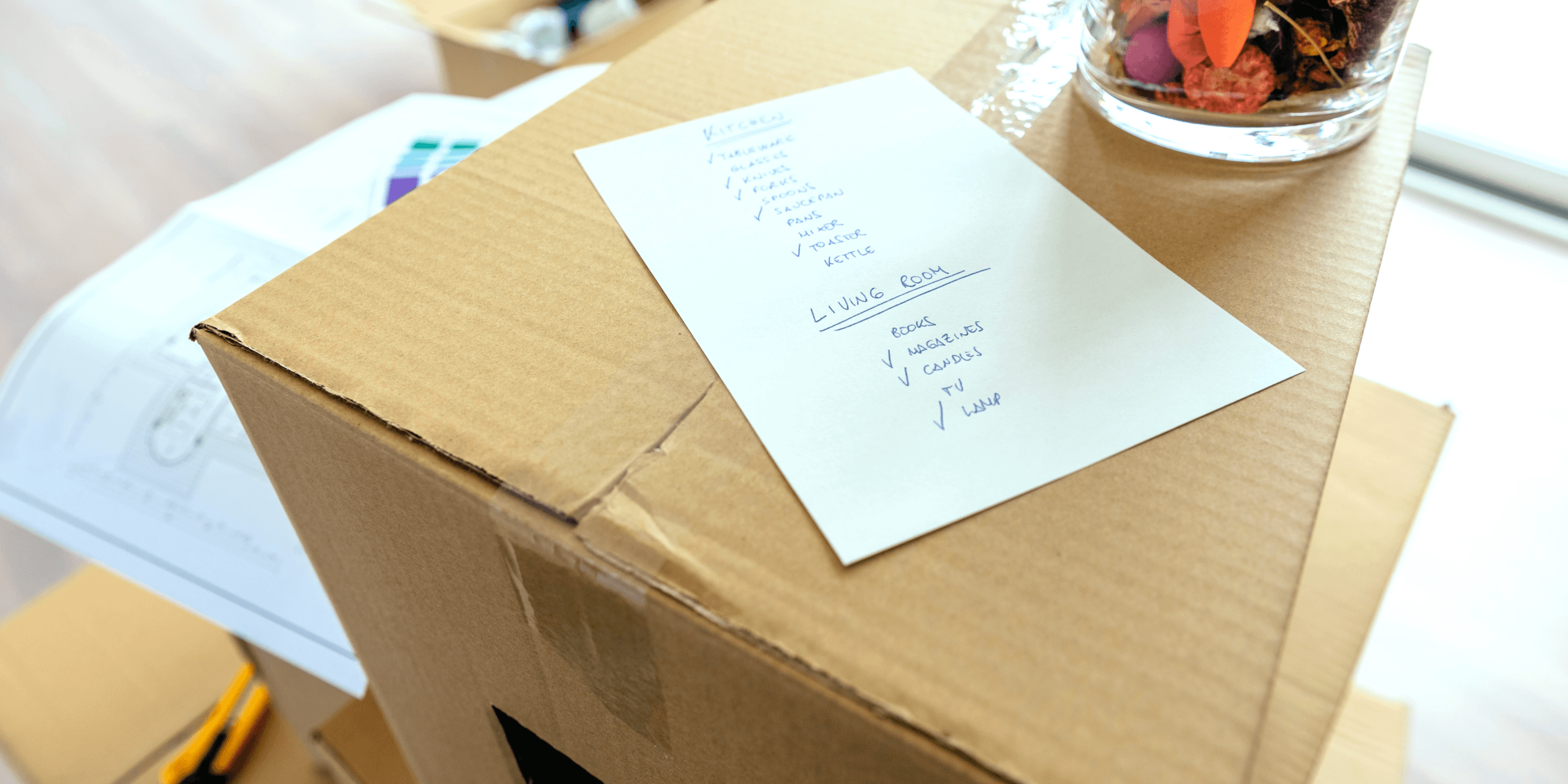
Random packing creates random unpacking, so finish one area before moving to the next and label every box with its destination room, a short description of the contents, whether it is fragile, and whether it should be opened first.
Coloured stickers can make unloading quicker. For example, use blue for the bathroom, yellow for the kitchen, and green for children’s bedrooms.
Photograph cable arrangements before disconnecting televisions, routers and computers. Put screws, brackets and furniture fittings into labelled bags, then attach each bag securely to the relevant item.
What Is the Hardest Room to Pack When Moving?
For many households, the kitchen is the hardest room to pack when moving. It contains fragile glassware, awkward appliances, food, and equipment that remains in use until the final day.
Make the kitchen easier by following this order:
- Use up food from the freezer and cupboards.
- Pack occasional cookware and serving dishes.
- Wrap plates, mugs and glasses carefully.
- Clean appliances before they are moved.
- Keep one basic set of crockery and cutlery available.
- Prepare a clearly labelled first-night kitchen box.
Garages, lofts and children’s bedrooms can also take longer than expected. Give these areas their own slot on your house move list rather than leaving them until the night before.
What to Do Two Days Before Moving
Wondering what to do two days before moving? Use the final 48 hours to confirm arrangements and prepare the essentials your family will need straight away.
Confirm the removal company’s arrival time, key collection details, parking and access at both properties.
Finish the laundry, defrost the freezer if needed, and set aside bedding, towels, and cleaning supplies.
Pack medication, valuables, documents, toiletries, chargers and a change of clothes in a box that travels with you.
Prepare drinks, snacks, tea, coffee, mugs and a kettle for moving day and your first morning.
Charge devices, confirm childcare or pet care, photograph meter readings and keep hats, sun cream and water bottles nearby.

Moving Day in Summer: Stay Calm, Cool and Organised
Check the weather forecast and start early where possible. Keep water, sun cream and hats close by, and make sure children and pets have regular breaks.
Do not collect the keys until completion has been confirmed by your solicitor or estate agent. Read our guide to what to expect on completion day for more information.
Before leaving your old home, check cupboards, sheds, lofts and garages, record final meter readings and secure all windows and doors. At the new property, focus on beds, toiletries, food, chargers and children’s comfort items first.
Once you have settled in, use our checklist of who to inform when changing address to update utility providers, banks, healthcare services and other organisations.

Frequently Asked Questions About Moving House
How Can I Make Moving House Stress Free?
Start several weeks early and use a written moving house checklist. Book removals in advance, declutter before packing, and keep documents and essentials with you. Share jobs between family members and leave spare time around important tasks. You do not need to unpack the entire home on your first day.
What Is the Hardest Room to Pack When Moving?
The kitchen is often the hardest because it contains fragile items, appliances, food, and equipment used until moving day. Pack occasional cookware first, use up food, and leave a small essentials kit available. Garages and lofts may also need extra time.
What Should I Do Two Days Before Moving?
Confirm removals, completion arrangements, parking and childcare. Pack valuables and medication separately, charge devices, prepare food and finish laundry. You should also set aside bedding, towels, drinks, cleaning products and your first-night box.
How Do I Cope With Stress From Moving?
Break the move into small tasks and focus on one stage at a time. Use a checklist rather than trying to remember everything. Share responsibilities, ask for practical help and keep children’s routines familiar. Allow yourself several days or weeks to finish unpacking.
How Much Does Moving House Cost?
The cost depends on the size of your property, the distance travelled, access, storage requirements and whether you pay for packing or cleaning services. Ask several companies for itemised quotations and include a contingency amount in your budget.
Planning a Move in Leicester? Contact Readings Property Group
A successful move starts long before the first box is packed. Clear communication between you, your buyer, your solicitor and your estate agent can help the process run more smoothly.
Readings Property Group supports buyers and sellers across Leicester and Leicestershire. Whether you are preparing to sell, looking for your next family home or checking how much your current property may be worth, the team is ready to help.
Book your free property valuation or contact Readings Property Group to discuss your next move.