Report a maintenance issue

Why sustainability matters
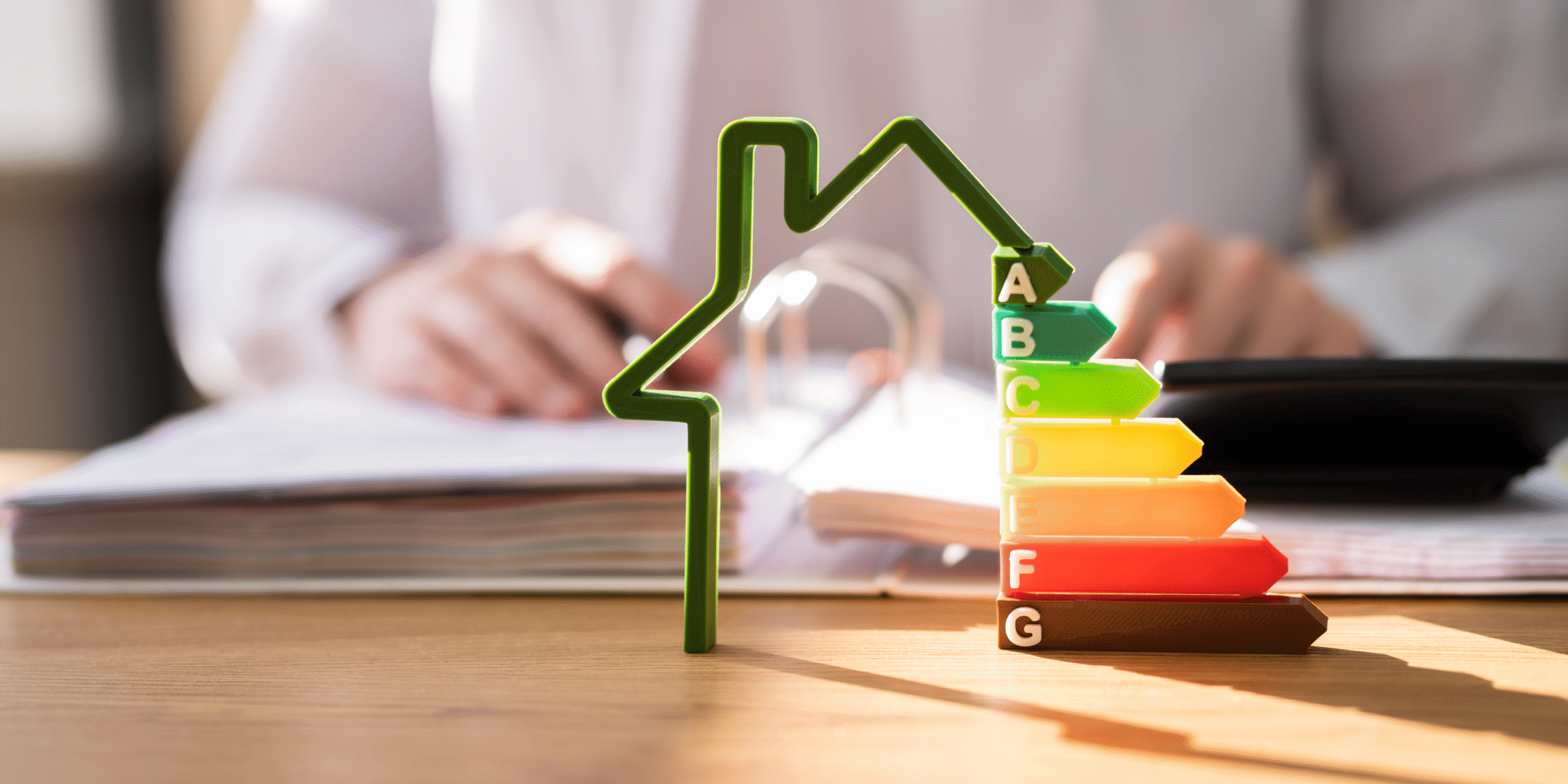
Energy costs are rising, regulations are tightening, and more buyers are actively looking for greener homes. For Leicester homeowners, this is particularly relevant. Much of the city’s housing stock is older and poorly insulated, with a large proportion made up of Victorian and early 20th‑century terraces. According to Leicester City Council’s housing stock report and Energy Performance Certificate (EPC) data, these older homes typically have lower energy efficiency ratings (Leicester City Council, 2021; UK EPC Register, 2023). This means many properties are missing out on the benefits that sustainable upgrades can bring. By investing in improvements that cut carbon and lower bills, homeowners can also enhance the value and appeal of their properties.
Understanding the value: costs, savings and appeal
Sustainable upgrades can deliver both tangible and intangible returns:
- Tangible: better insulation, more efficient heating, and on‑site renewable generation all reduce running costs.
- Intangible: buyers increasingly associate strong EPC ratings and visible eco‑friendly features with higher quality and comfort.
Properties with better energy ratings tend to sell faster and often command a premium, provided the upgrades have been carried out to a good standard.
Key sustainable upgrades that tend to pay off
Start by improving the building itself before investing in new systems. Strong insulation and airtightness create the base for meaningful, long-term energy savings.
- Insulation
This is often the first step. Loft insulation is straightforward and cost‑effective, cavity wall insulation can make a big difference, and external or internal insulation for solid walls is well suited to Leicester’s older homes. Draught‑proofing is also an inexpensive measure that delivers surprisingly effective results. - Windows and doors
Upgrading glazing reduces condensation, noise and heat loss. Slimline double glazing is a good choice for heritage properties, as it improves efficiency while preserving their original character. - Heating systems and renewables
Modern boilers offer clear efficiency gains. Air‑source heat pumps perform well with good insulation, and solar panels with batteries allow homes to produce their own power and depend less on the grid. - Smart controls and ventilation
Smart thermostats, automated ventilation and heat recovery systems help reduce energy use while keeping indoor air fresh and healthy.
How to prioritise upgrades and manage risk
An energy audit is the best starting point. It identifies where heat is being lost and which measures will deliver the biggest impact. In most cases, the sensible route is to address low‑cost, high‑impact measures first, such as insulation and draught‑proofing, before moving on to more expensive technologies.
When planning your upgrades:
- Sequence matters: carry out fabric improvements before installing systems.
- Avoid mismatches: doing upgrades in bits and pieces can make them less effective.
- Use accredited installers: this ensures compliance with building regulations and long‑term performance.
Cost versus return
Not every upgrade delivers the same financial return, but many pay back over time:
- Loft insulation: costs a few hundred pounds and can save around £80–£100 annually (Energy Saving Trust).
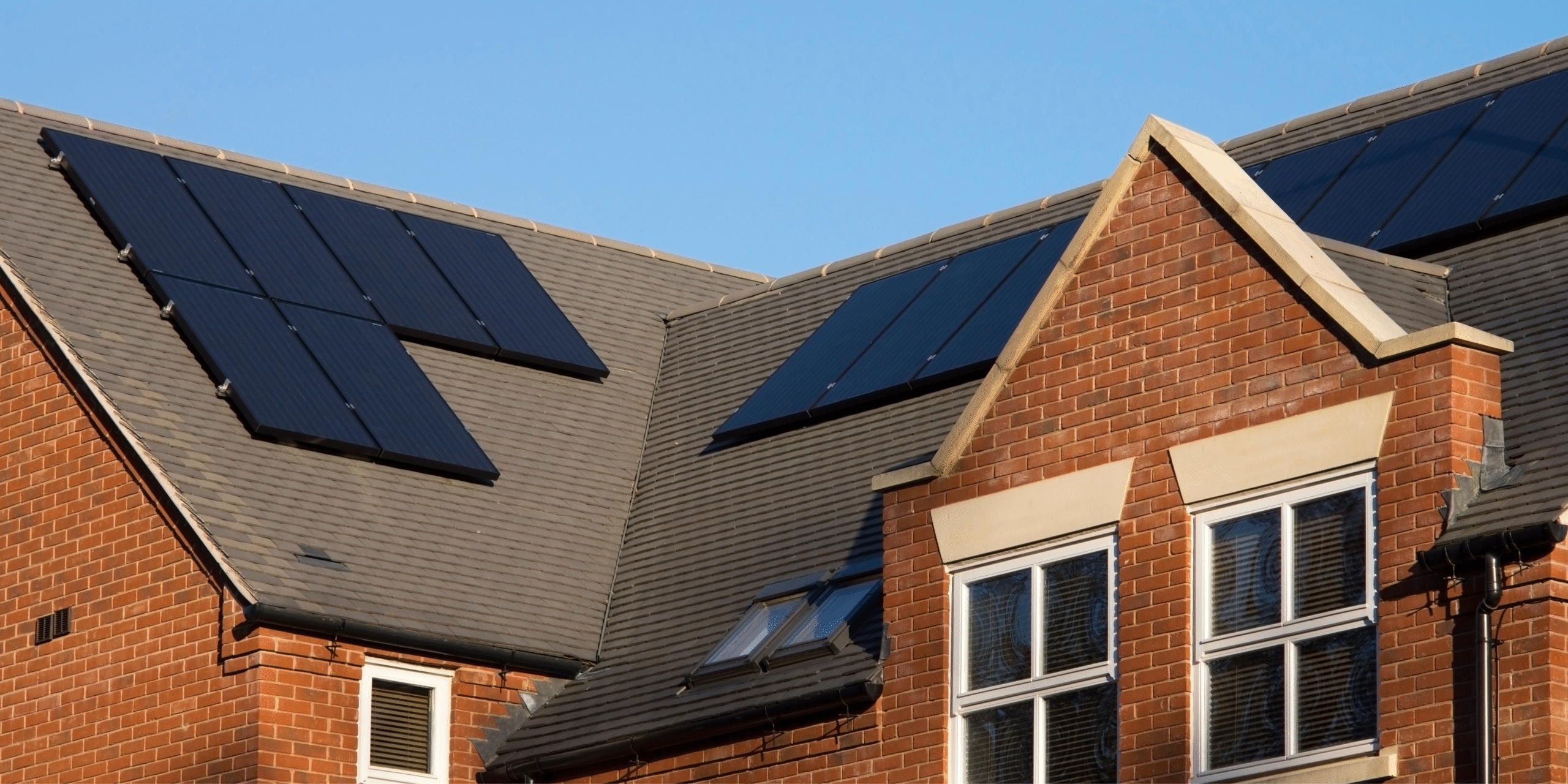
- Solar panel systems usually cost about £6,000 (Energy Saving Trust). Over time, you can earn this back through lower energy bills and by getting paid for any extra electricity you send to the grid.
- Heat pumps: come with higher upfront costs, but government grants and incentives can help reduce these and shorten payback periods.
Beyond the financial metrics, sustainable upgrades future‑proof properties against regulatory changes and make them more attractive to buyers.
How this adds value to your Leicester property
Buyers are increasingly prioritising energy efficiency and sustainability. A home that is cheaper to run and visibly eco‑friendly stands out in a competitive market. Higher EPC ratings and well‑executed upgrades can make listings more appealing, speed up sales, and potentially raise asking prices. Readings Property Group can help advise homeowners on which measures make the most sense for their property type and local market.
Conclusion and next steps
Sustainable upgrades are not just about doing the right thing for the planet. When chosen carefully, they make homes more comfortable, reduce bills, and increase market value. For Leicester homeowners, this represents a clear opportunity. If you’re thinking about making improvements, starting with an energy audit and getting expert guidance will help you choose the most effective steps.

Contact Us
For tailored advice and support, get in touch with Readings Property Group to discuss your home and the best sustainable upgrades for your property.