Report a maintenance issue
Why Property Ownership Type Matters More Than You Think
Buying or selling a property? One of the key considerations is whether a home is freehold or leasehold. This isn’t just a technicality – it affects how much control you have, what you’ll pay, and how easy it’ll be to sell or mortgage the property in future.
Understanding whether you’re dealing with a freehold or leasehold can impact your legal rights and even your daily life in the property. Making the wrong choice could lead to unexpected costs or complications down the line.
Let’s break it down clearly so you can make the right decision whether you’re buying your first flat or selling a long-held family home.

What Do “Freehold” and “Leasehold” Actually Mean?
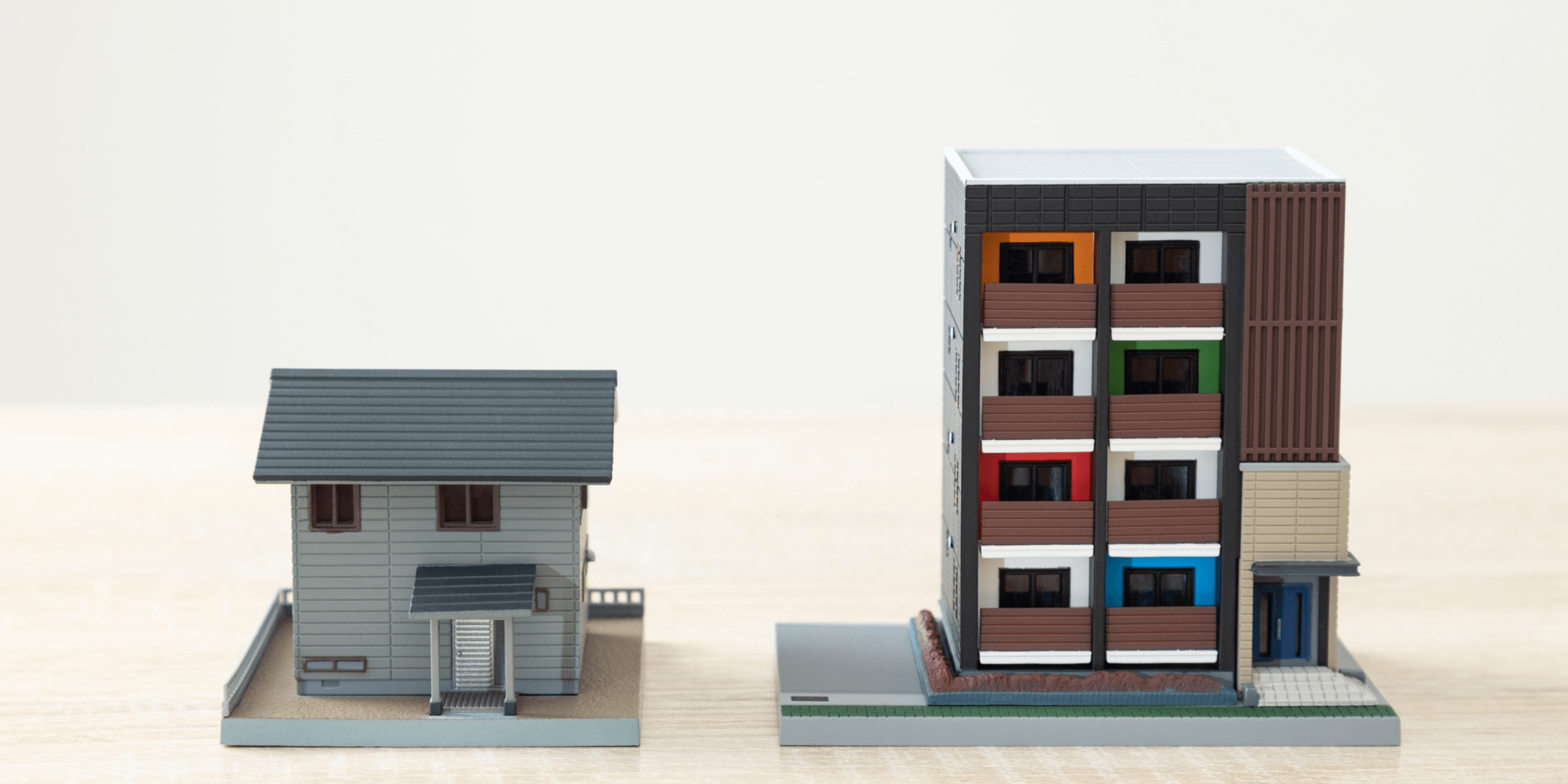
- Freehold means you own the property and the land it’s built on. There’s no time limit – it’s yours outright, forever.
- Leasehold means you own the property (like a flat), but not the land. Ownership is for a fixed term under a lease.
Leaseholders pay ground rent and service charges, and may require permission to make changes. Most flats in the UK are leasehold, while most houses are freehold, although not always.
Tip: Some properties are sold as “share of freehold” or even “commonhold”. These are less common and come with their own rules.
Freehold vs Leasehold at a Glance
| Feature | Freehold | Leasehold |
| Ownership | Property + land | Property only |
| Duration | Unlimited | Fixed term (e.g. 125 years) |
| Charges | No ground rent | Ground rent and service charges often apply |
| Maintenance | Your responsibility | Freeholder or managing agent |
| Modifications | More freedom | Restrictions apply |
| Resale Risk | No lease concerns | Short leases can reduce value |
Pros and Cons for Buyers
Advantages of Freehold
- You own everything – the property and the land it sits on.
- No ground rent or service charges, so fewer ongoing costs.
- Easier to resell or remortgage, as there’s no lease to worry about.
- More freedom to renovate or extend, subject to planning permission – you’re not bound by lease restrictions.
Disadvantages of Freehold
- Higher purchase price – freehold properties tend to be more expensive upfront.
- You’re responsible for all maintenance, from the roof to the boundary walls – this can mean large repair bills if issues arise.
Advantages of Leasehold
- Usually cheaper upfront, particularly common for first-time buyers or those purchasing flats, although total upfront costs will still depend on Stamp Duty Land Tax and individual circumstances
- Communal areas and exteriors are maintained for you, typically by the freeholder or managing agent.
- Lower maintenance burden – good for people who don’t want the responsibility of exterior upkeep.
Disadvantages of Leasehold
- Time-limited ownership – shorter leases can reduce a property’s value and may make selling, remortgaging, or extending the lease more costly.
- Lease extensions can be expensive, especially if the lease drops below 80 years.
- Ongoing costs such as ground rent, service charges, and management fees – these increase as detailed within the lease.
- Less control over what you can do – even things like laying new flooring or owning a pet can be restricted by the lease.
Watch out: Leases under 80 years can be tricky to mortgage and lose value fast. Always check the remaining lease length before buying.
Key Considerations for Sellers
If you’re selling, understanding how your property’s tenure affects buyer interest and price is crucial.
Here’s what to keep in mind:
- Freehold homes tend to attract more buyers, especially families or long-term owners who prefer simplicity and control.
- Leasehold properties can still sell well. Particularly flats in high-demand areas – but you must be upfront about the details to avoid delays or buyer drop-off.
Be transparent about the following:
- Lease length: Leases under 85 years may reduce your asking price. Under 70 years? Many lenders won’t offer mortgages.
- Ground rent and service charges: High or escalating fees are a red flag for buyers.
- Major works or disputes: Upcoming communal repairs or issues with managing agents can impact saleability.
Get ahead of potential issues by:
- Contacting your managing agent to gather:
- Latest service charge statements
- A copy of the lease
- Details of any upcoming works or reviews
- Instructing a solicitor early if:
- You need to extend the lease.
- You’re involved in shared freehold or commonhold agreements.
Tip: Having all the necessary documentation ready will speed up the conveyancing process, build trust with buyers, and reduce the chances of a deal falling through.

Practical Advice: How to Choose the Right Option
Whether you’re buying or selling, these questions can help clarify your best move:
- Can I afford the higher upfront cost of a freehold?
It’s often more stable and straightforward long-term.
- Am I okay with less control and ongoing charges?
Leasehold might suit you if you want lower day-to-day responsibility.
- Is the property a flat?
Flats are usually leasehold, and that’s normal in the UK.
- What’s the lease length?
Aim for 80+ years. Anything below that may require a costly lease extension.
- Are there any lifestyle restrictions?
Review the lease terms for limits on pets, renovations, or letting the property.
For sellers, the golden rule is preparation:
- Extend short leases in advance if possible.
- Collect all relevant documents: lease, service charge breakdowns, notices of works
- Make sure buyers understand what they are and aren’t getting
Well-organised sellers come across as more credible, which can lead to faster offers and a smoother sale!
Summary: Freehold or Leasehold?
If you want long-term control and no lease-related costs, freehold is usually the way to go. It gives you full ownership of both the property and the land it’s built on, with no ongoing charges like ground rent or service fees. This often makes it a more appealing and secure choice, particularly for family homes or long-term investments.
On the other hand, a leasehold can be a great option for buyers who want a lower purchase price, live in a flat, or prefer not to handle building maintenance. Just be cautious about lease terms – especially the number of years left, any rising charges, and limitations that might restrict how you use the property.
For sellers, understanding how the property type affects your market is key. Freehold properties often attract wider interest and may sell faster. Leasehold sellers need to be more prepared. Having documents ready and extending short leases where possible can make all the difference.
Whether buying or selling, don’t make assumptions. Ask the right questions, review all paperwork carefully, and speak to a solicitor or conveyancer before making any decisions.
Need Expert Help?
At Readings Property Group, we’ve helped thousands of buyers and sellers navigate freehold and leasehold transactions across Leicestershire.
Contact us today for tailored advice, or explore our latest listings.