Report a maintenance issue

Introduction:
Investing in property is an excellent way to make your money work harder for you, as well as providing great opportunities for the long term. But to be a successful landlord, there are plenty of rules and regulations to be aware of. Falling foul of the law could be very costly. At Readings, we are always here to help you keep on top of all the relevant red tape.
This applies whether you’re new to the property business, or a seasoned landlord, as rules and regulations are constantly changing.
One area of the law that landlords need to pay particular attention to is their responsibilities around electrical legislation. This is really important as it concerns the safety of your tenants.
There have also been some significant changes around electrical legislation, including new rules which came into force in 2020.
In a hurry? Here’s a quick summary
Did you know you are now legally required to get the electrics in your rental properties tested and inspected by a qualified professional every five years? The new Electrical Safety Inspection Regulations set out legal duties for landlords in respect of electrical safety.
As well as the inspections, you need to get a certain type of report and make sure it is provided to tenants and local authorities if they request it. You are also duty bound to carry out any recommended repairs in a timely fashion.
Read on to find out everything you need to know about the changes and how they impact you as a landlord.

What are the Electrical Safety Inspection Regulations?
While all good landlords will have made sure that the electrics in any properties they let are safe as standard, the new Electrical Safety Inspection Regulations have made this a legal obligation for the first time.
Introduced in June 2020, the new regulations require landlords to have any electrical installations within the properties examined and tested by a qualified electrician every five years.
The law reflects the Government’s drive to improve the safety of all rented properties – and especially in the private sector.
A number of obligations for landlords are included in the regulations:
- To ensure standards for electrical safety are met in accordance with the 18th edition of the Wiring Regulations
- Get electrical installations in rented properties inspected and tested every five years by a qualified person
- Obtain a report from the inspector with results plus a date for next inspection due date
- Provide a copy to the existing tenant within 28 days
- Provide a copy of the report to any new tenant before they move in and to any prospective tenant within 28 days if they request it
- Provide a copy to the local authority within seven days of any request
- Keep a copy to give to the qualified person carrying out the next inspection
- Carry out any further investigative or remedial work as recommended in the report – either within 28 days or sooner if specified
- Give written confirmation that remedial work has been completed to the local authority and tenant within 28 days.
These rules apply to all private rentals where the tenant is entitled to reside in that property as their only or main address. This covers assured shorthold occupancies and houses in multiple occupations. These particular regulations don’t apply to properties such as private registered providers of social housing, hostels and refuges, student halls, long leases of seven years or more, and various care and health settings.
Another exception is new build properties as these should come with an Electrical Installation Certificate. The next inspection will be due in five years. The same is true for properties that have been completely rewired.
The Inspection
To meet the new regulations, landlords are legally obliged to make sure any electrical work is carried out by a qualified and competent inspector. You can check for relevant qualifications in wiring and periodic inspection and whether they are members of a ‘competent person scheme’.
This person needs to be aware of the standards as set out in the 18th edition of the Wiring Regulations. The inspection itself includes all fixed electrics in a property such as wiring, sockets, light fittings and fuse box. It will look for issues such as overloaded installations, shock risks or fire hazards, defective work and a lack of earthing or bonding.
What it won’t test is any electrical appliances. These are subject to a separate portable appliance testing (PAT) which landlords are advised to commission as part of any new tenancy.
The Report
Results of the inspection need to be presented in a very particular format – known as an Electrical Installation Condition Report (EICR).
This should include a rundown of the findings and whether the electrics are safe – therefore no work needed – or a description of any other investigations or other work required.
Where remedial work is required, this will be classified under a particular code system to show how urgent the work is.
C1: Danger present. Risk of injury. Any hazards may be made safe by the inspector before they leave.
C2: Potentially dangerous
F1: Further investigation needed without delay
C3: Improvement recommended – remedial work not required for an installation to be deemed satisfactory
Codes 1 or 2 will result in an unsatisfactory outcome with further work required. F1 means investigation has to be carried out. C3 is not compulsory, but recommended to improve the electric installation.
Landlords must provide a copy of the report to:
- Current tenants *within 28 days of inspection
- New tenants *before the property is occupied
- Prospective tenants *within 28 days of any request
- Local authorities *within 7 days if they request it
Remedial Work
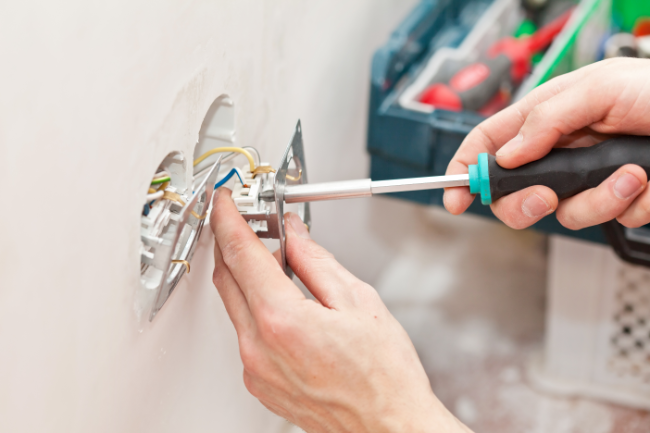
If the inspector identifies that work is needed to bring the electrics up to standard, this has to be completed within 28 days – or it could be a shorter time frame if the work is particularly urgent. Once the work has been done, written confirmation must be given to the tenant and the local council, again within 28 days.
Any landlords who do not comply could be met with legal action from the council. Local authorities can serve a remedial notice requiring the work to be carried out. The council can intervene and arrange for the work to be completed, with costs to be recovered from the landlord. In the most extreme cases where duties have been breached, local authorities can impose financial penalties of up to £30,000.
To conclude
There’s so much to be aware of and keep on top of in the landlord business and falling foul of the law is so easily done if you’re not up to speed with all the rules and regulations. Electrical safety is not something that can be overlooked though; mistakes can be costly at best and life-threatening at worst.
We have decades of experience in lettings and can help you navigate all the red tape. For advice and guidance on everything you need to know, get in touch with the Readings rental experts.